
Saving Lives
&
Protecting Assets
Whether you are protecting lives or safeguarding property, Innotech Representatives delivers the highest-performing, cutting-edge technologies available today. Our solutions include AquaEye Pro, an advanced underwater rescue and recovery sonar scanner; CyclopsID, intelligent through-wall life detection; E-FireX, a lithium-ion battery fire encapsulating extinguishing formula; EMC Test Design Smart Fieldmeters and Digital Omnifield Antennas for measuring non-ionizing electromagnetic (EM) fields, including radio frequency (RF) radiation; Gunsens AI gun-detection Sensors that instantly alert first responders to the precise location of armed threats (firearms and edged weapons); the SOS Panic Button emergency help beacon with blue-on-blue protection; and Santor Security solutions that protect your critical communications from eavesdropping and unauthorized recording. Innotech Representatives provides life-saving technology solutions you can trust—for you and your business.
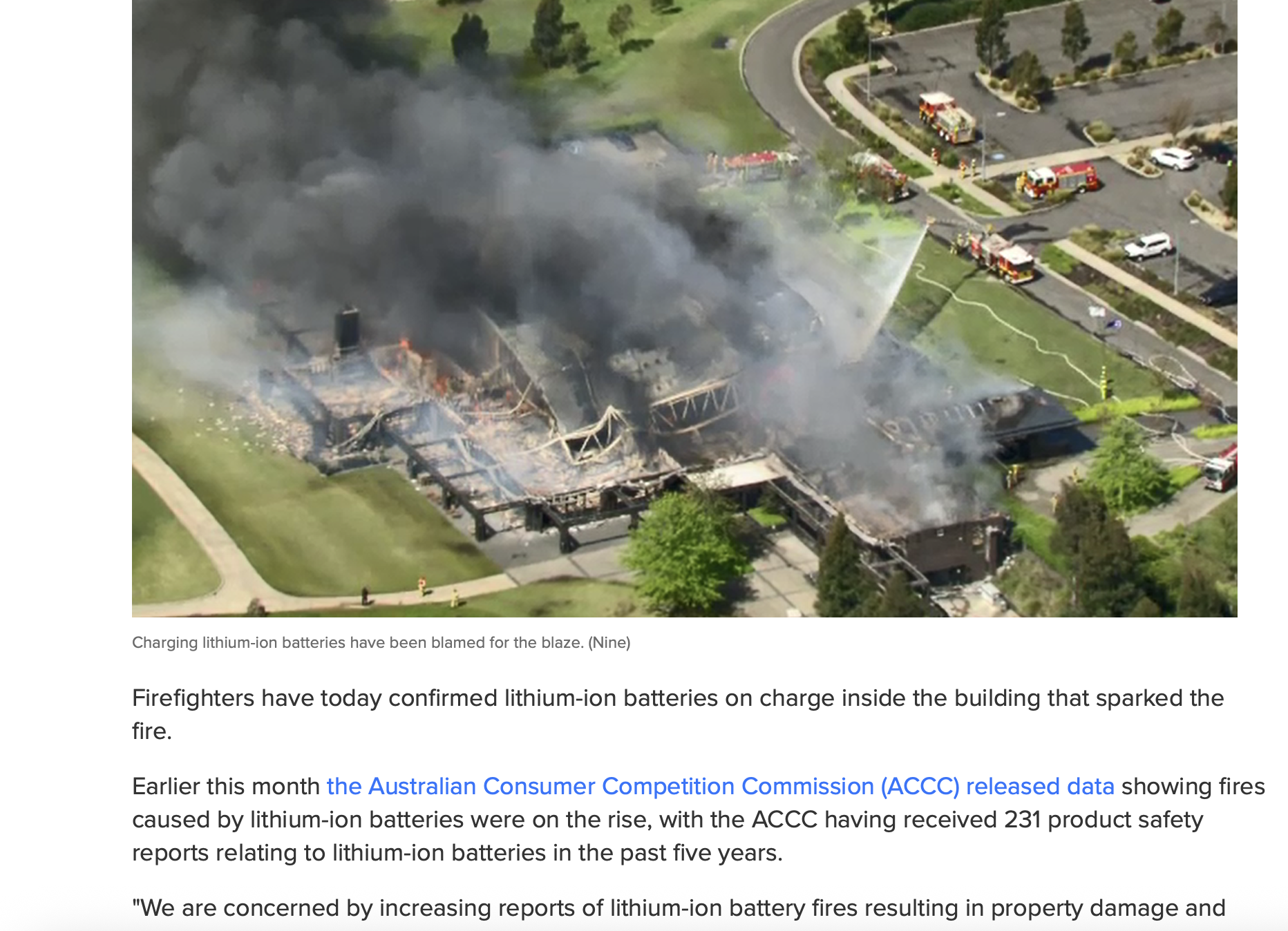
$70 Million Dollar Golf Clubhouse Destroyed by ignited charging Lithium-ion Batteries
Every Police Cruiser needs an E-FireX to help extinguish an EV or Hybrid Car Fire

Footage captured in the aftermath of the crash shows local police crews desperately trying to control the blaze using fire extinguishers.
At one stage, they could also be seen smashing one of the rear side windows, but according to an eyewitness, “it really didn’t do anything.” Police had to let fire crews take over due to the fear that the Tesla might explode, the Miami Herald reports.
What stands out in the aftermath is that the body damage to the Model 3 does not look especially severe. The front of the electric sedan is not visible in the footage, but the rear and sides show little sign of a major impact. It’s unclear what initially triggered the blaze.
Protect Your Voice with Santor Security

The British engineering company Arup has confirmed it was the victim of a deepfake fraud after an employee was duped into sending HK$200m (£20m) to criminals by an artificial intelligence-generated video call.
Hong Kong police said in February that a worker at a then-unnamed company had been tricked into transferring vast sums by people on a hoax call “posing as senior officers of the company”.
Arup said in a statement that it was the company involved, confirming that at the beginning of the year it had “notified the police about an incident of fraud in Hong Kong”. It confirmed that fake voices and images were used.
Company insolvencies jump; Royal Mail takeover would face security review; energy cap to fall in July – as it happened
It added: “Our financial stability and business operations were not affected and none of our internal systems were compromised.”
The Arup global chief information officer, Rob Greig, who oversees the company’s computer systems, said the organisation has been subject to frequent attacks including deepfakes.
“Like many other businesses around the globe, our operations are subject to regular attacks, including invoice fraud, phishing scams, WhatsApp voice spoofing and deepfakes. What we have seen is that the number and sophistication of these attacks has been rising sharply in recent months,” he said.
AquaEye provides actionable intelligence in complex, offshore conditions where traditional sonar methods fall short
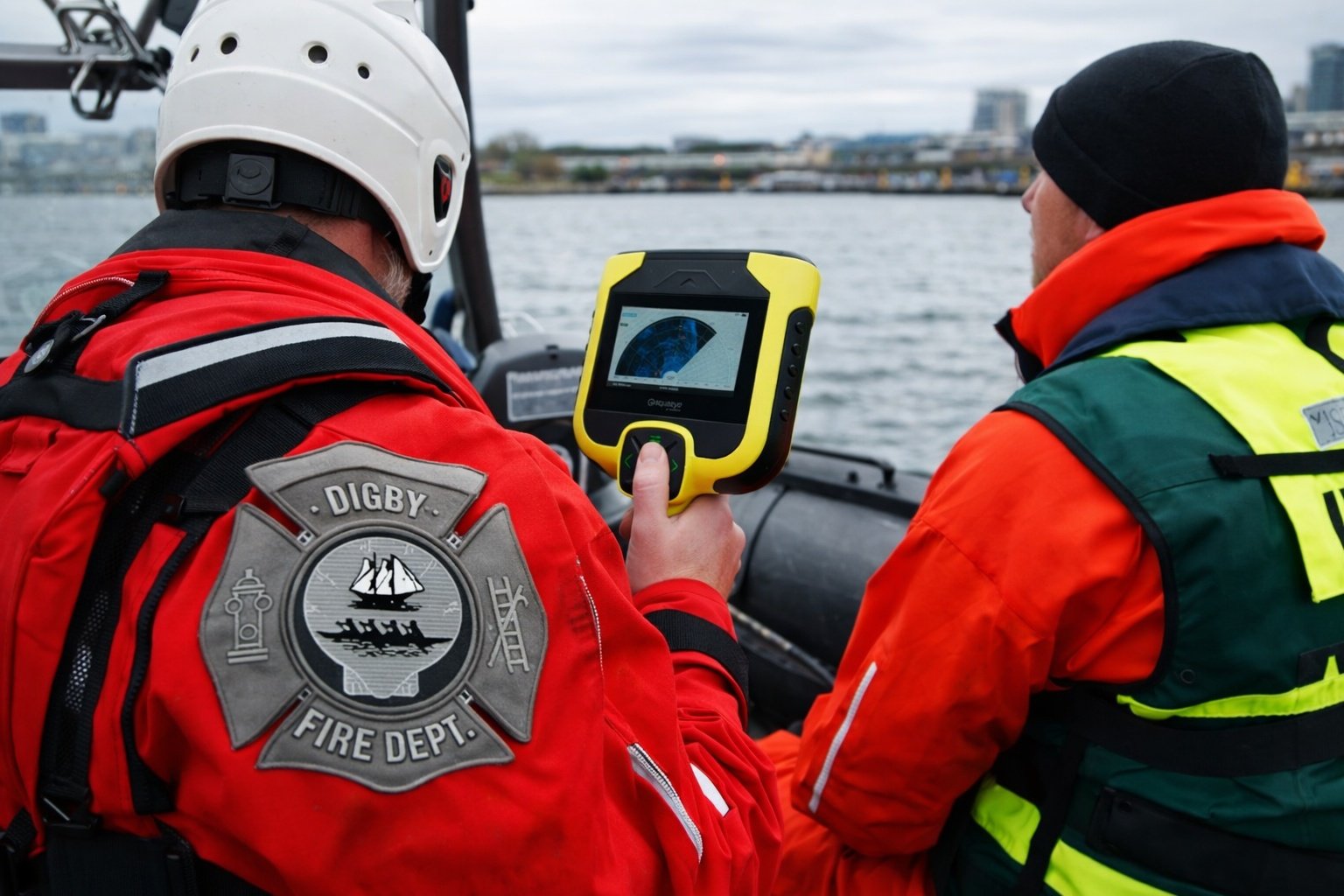
Deployment of an AquaEye handheld intelligent sonar, purchased by the Brooklyn Volunteer Fire Dept. has resulted in the recovery of a diver missing in the Bay of Fundy off Digby, Nova Scotia.
Halifax’s Joint Rescue Coordination Centre (JRCC) initiated the search after being contacted when a recreational diver failed to surface. RCMP, Coast Guard and multiple local Volunteer Fire departments were on scene within hours. One of those was the Brooklyn Volunteer Fire Department, (led on-scene by First Deputy Chief, Bill Hazel).
A team of Brooklyn Volunteer Firefighters, led by DC Hazel, took to the water around midnight the day the diver went missing. While many resources were searching for the missing diver that first night, only Brooklyn VFD were equipped with an AquaEye which proved to be the technology that located the missing diver.
The
Real Impact of Lithium-ion Battery Fires
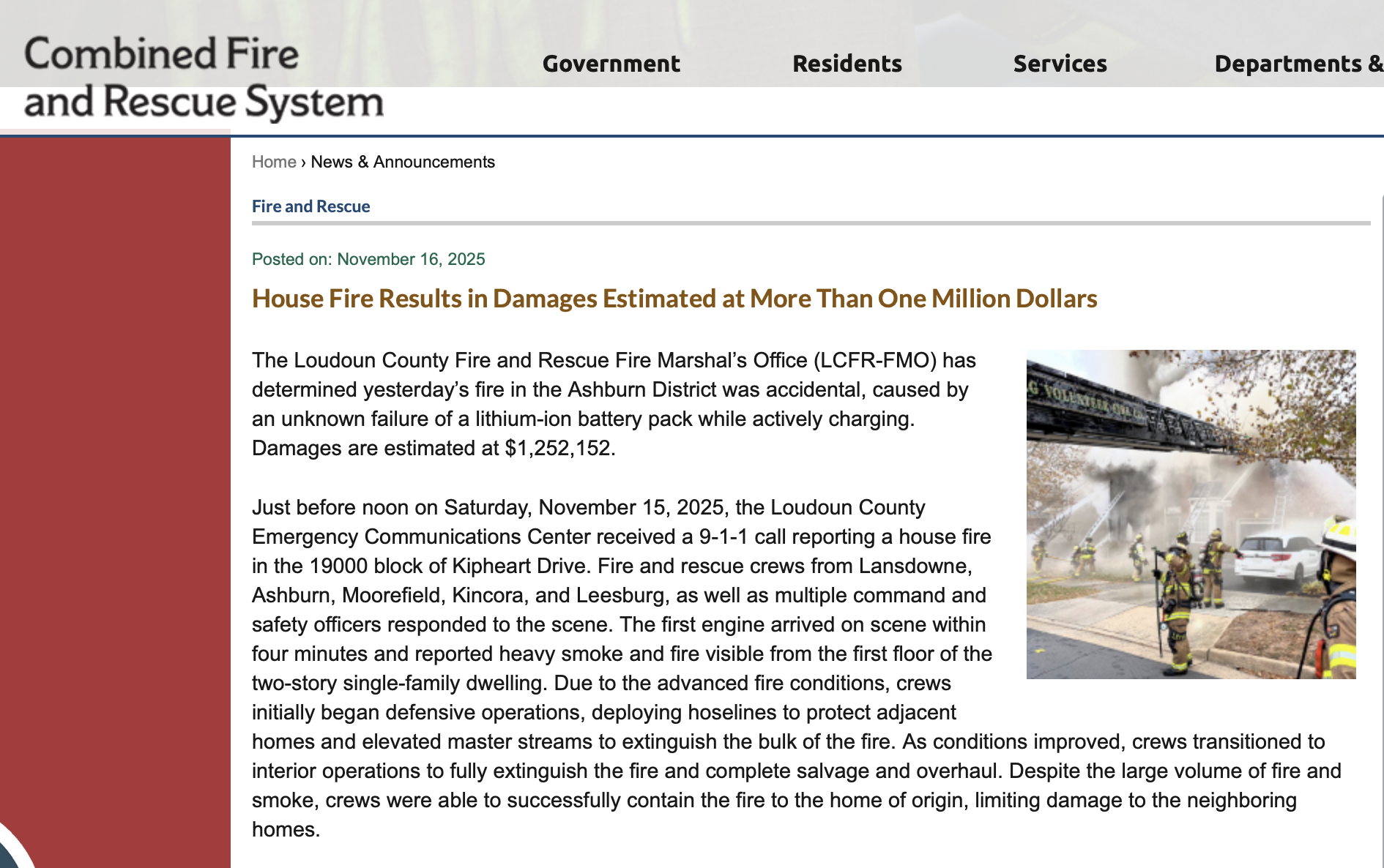
Over 25,000 lithium-ion fire or overheating incidents involving consumer batteries have been recorded by the U.S. Consumer Product Safety Commission over a multiyear period. Across several years of aggregated local reporting, battery-related fires have contributed to hundreds of injuries and dozens of deaths — for example, FDNY data reports a history of more than 400 injuries and at least 30 deaths linked to lithium-ion battery fires over the last few years in NYC alone.
Gunsens AI Sensors Detect Guns in Seconds Alerting Authorities to the Exact Location of the Threat
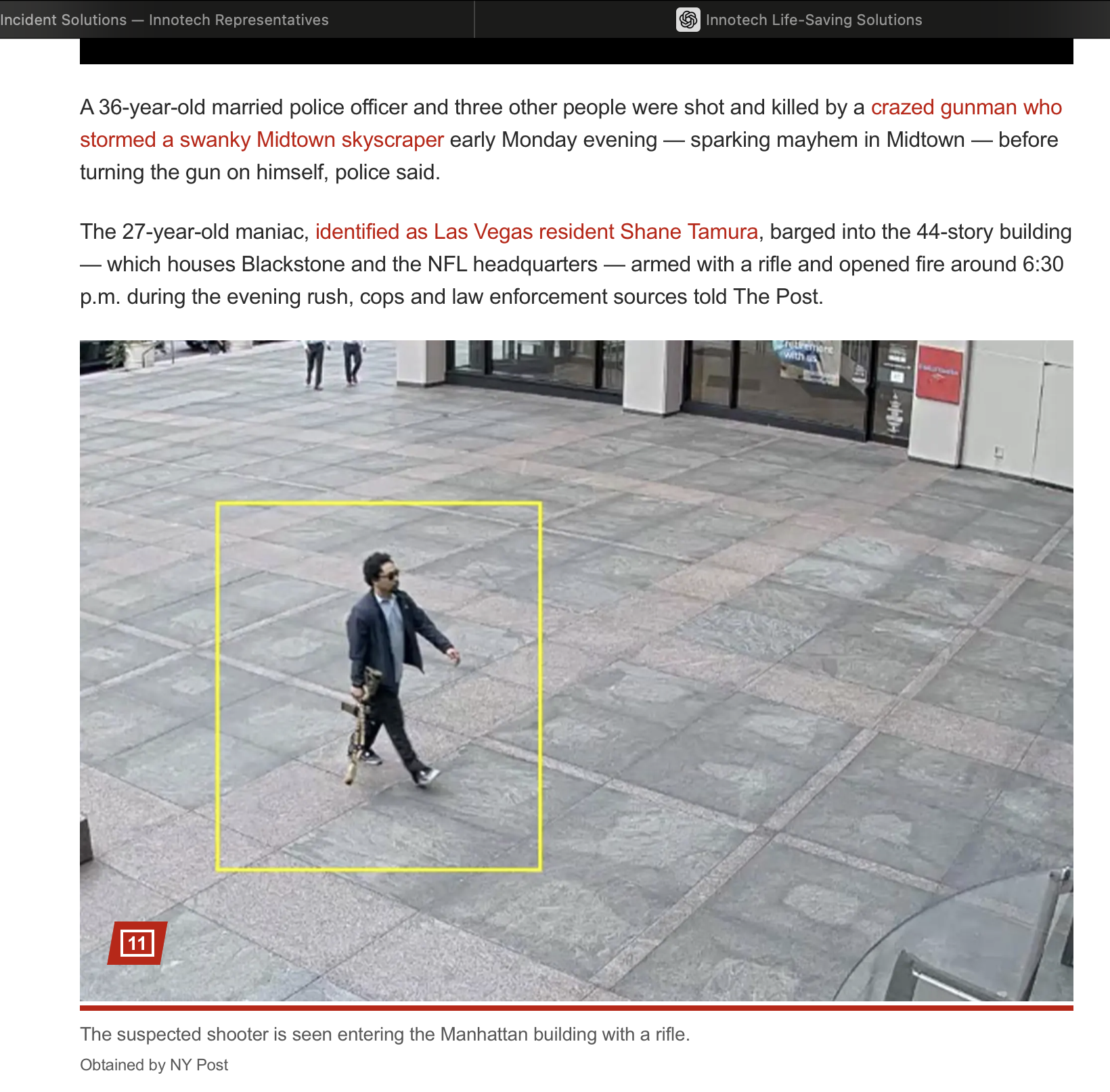
GunSens AI gun-detection Sensors detect armed threats in real time and notify authorities within seconds—accelerating emergency response when every moment matters. Through the Gunsens App, first responders and the public can identify the exact location of the perpetrator with the weapon while within range of a Gunsens sensor.
Gunses can be installed in bathrooms and other private areas where video cameras are prohibited. When integrated with your existing access control system, our API automatically locks entry doors, preventing perpetrators from entering the building and protecting occupants from harm.
Corporate Espionage Threats
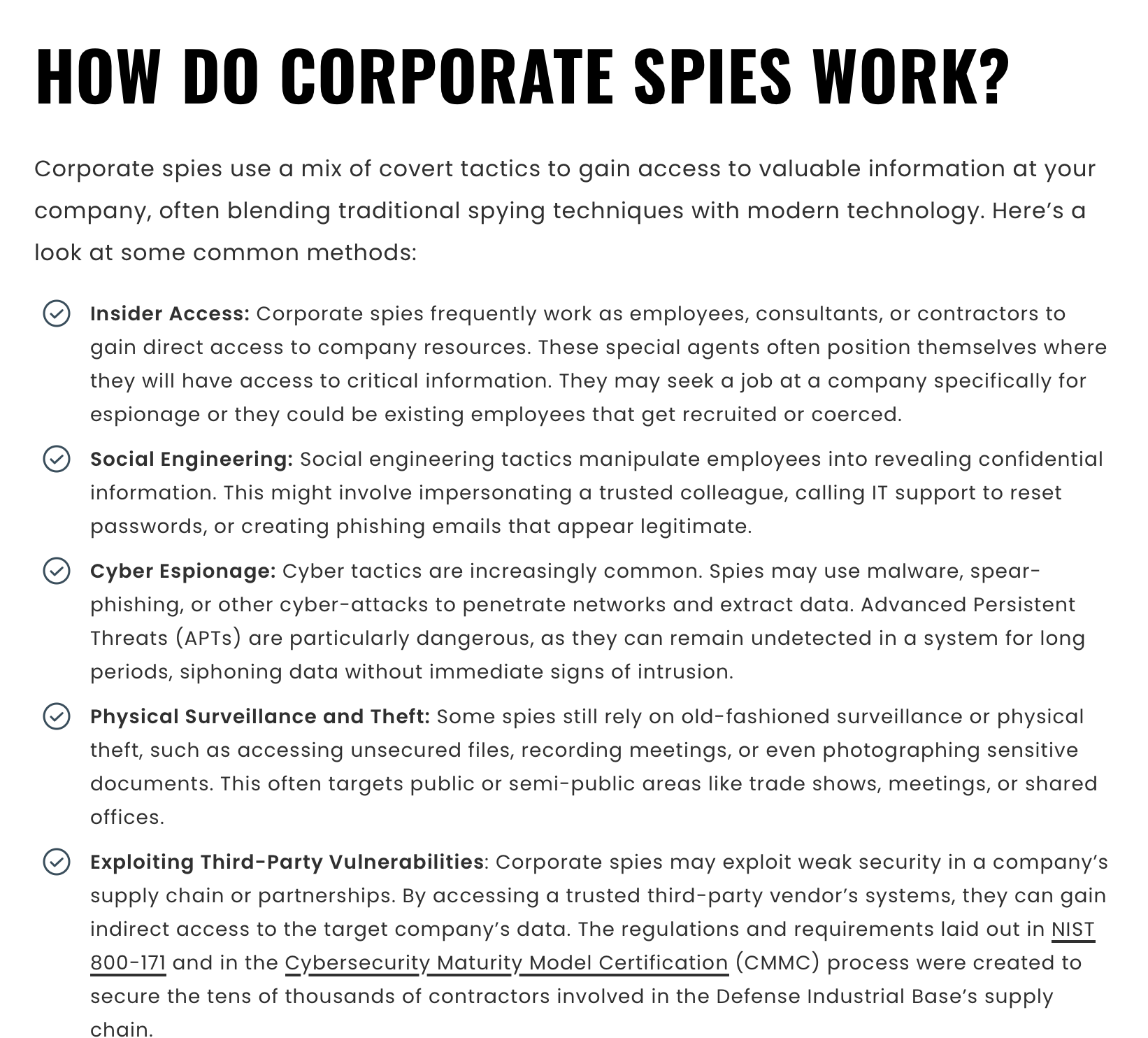
Nearly 61 % of U.S. companies experienced insider data breaches in the past two years, with the average cost per organization around $2.7 million, mostly from unauthorized access to sensitive/confidential data.
Santor Security delivers advanced anti-eavesdropping technologies designed to protect sensitive conversations from unauthorized interception, recording, and surveillance. Our solutions safeguard boardrooms, executive offices, government facilities, and critical infrastructure environments where confidentiality is non-negotiable.
Using sophisticated counter-surveillance techniques, Santor Security products actively prevent both analog and digital listening devices—including covert microphones, mobile phones, and remote recording systems—from capturing intelligible speech. By neutralizing eavesdropping threats at the source, Santor ensures that confidential discussions remain private, secure, and uncompromised.
Santor Security solutions are discreet, non-intrusive, and easy to deploy, providing continuous protection without disrupting normal operations. Whether defending sensitive corporate strategy sessions, legal discussions, government briefings, or intellectual property, Santor Security delivers peace of mind by ensuring your conversations stay where they belong—inside the room.
When the conversation matters, Santor Security protects it.
Global Intrusion Statistics
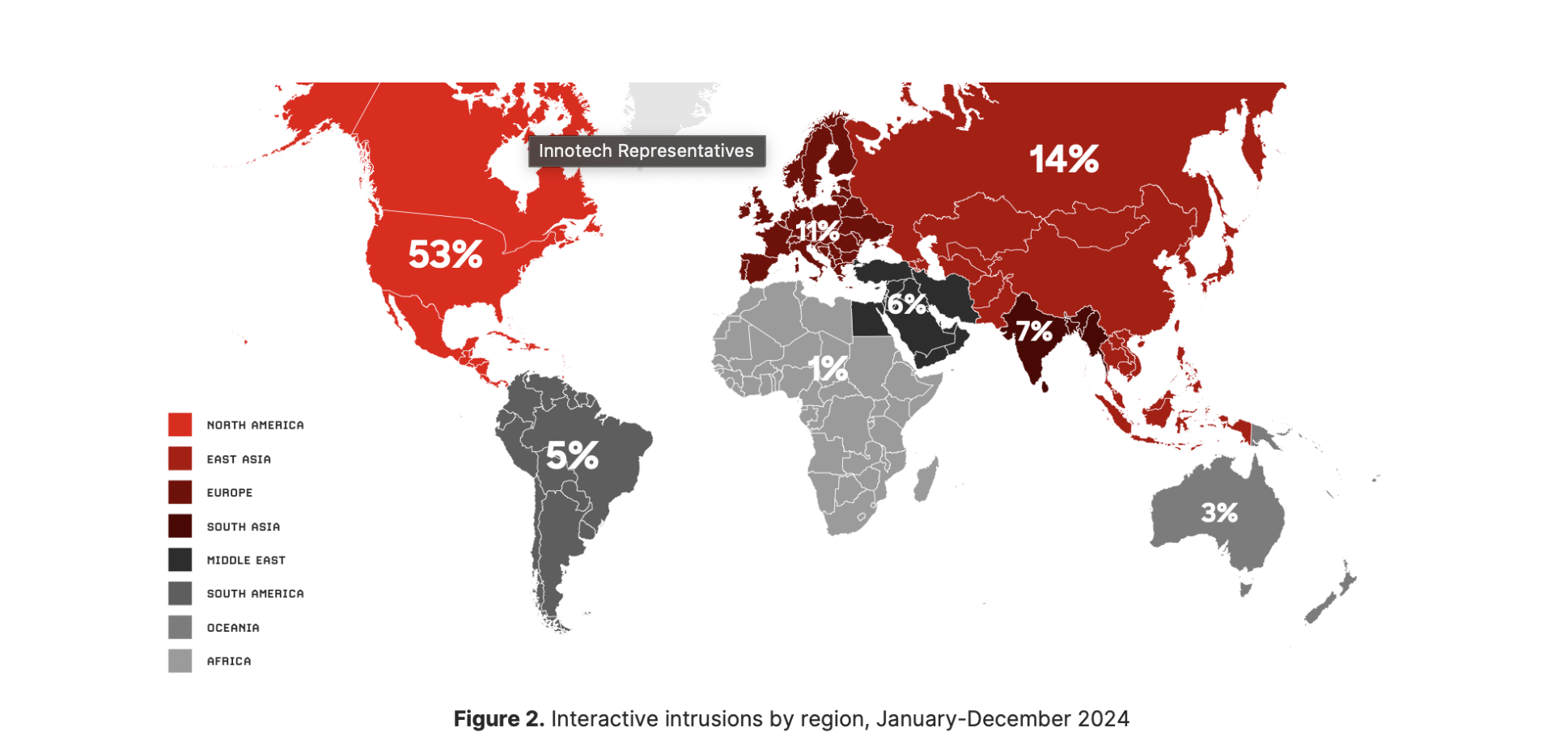
A recent World Economic Forum estimate finds that **corporate espionage costs businesses around $6 trillion annually worldwide, making it one of the largest economic threats facing companies today.
For U.S. businesses specifically, historical studies (not limited to the last two years) have estimated that corporate espionage and trade secret theft have cost firms hundreds of billions of dollars in cumulative losses through infringement of proprietary information. Analysts estimate U.S. corporate losses ranging from $225 billion to $600 billion over various periods due to intellectual property theft and related espionage activities.
Protect Your Sensitive Conversations
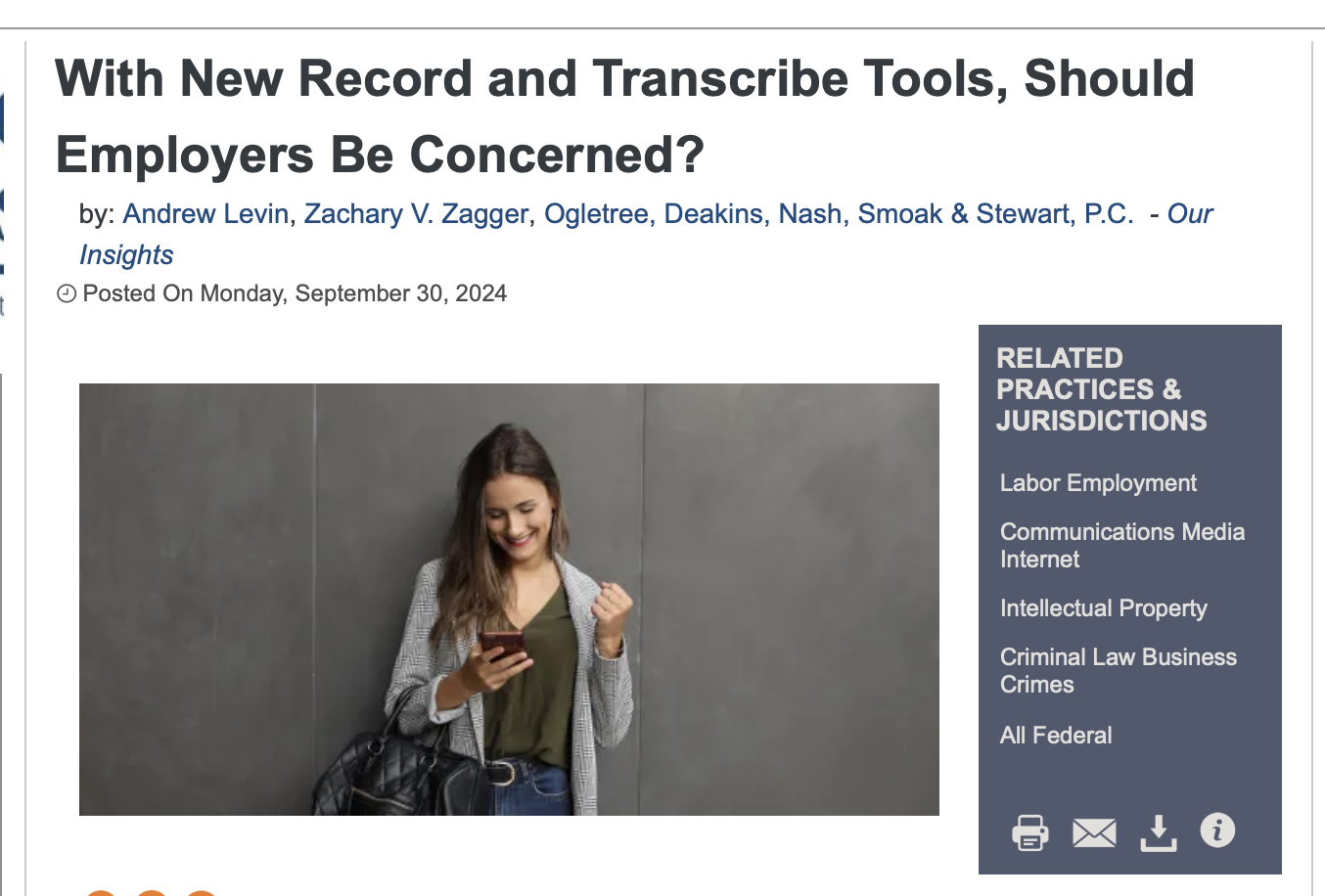
New advanced features built into smartphones, mobile devices, and other applications allow individuals to record and transcribe phone calls and meetings more easily than ever before. While such tools can improve employee efficiency, they raise concerns for employers with privacy and potential legal liability for unconsented recordings.
Employers have legitimate and substantial business interests in restricting employee use of recording devices in the workplace to protect privacy and trade secrets.
Employers may want to consider policies that prohibit or restrict making recordings in the workplace.
Such policies may need to account for potential issues under the NLRA and may need to include exceptions for recording conversations as part of protected activity and be narrowly tailored to address the employer’s concerns.
Imagine finishing a phone call on your smartphone and instantly accessing a transcript and summary of the call or having an outline of notes automatically generated following a work meeting. Such a tool would likely prove a valuable resource, which could both increase efficiency and improve performance. New features, some leveraging artificial intelligence (AI), built into smartphones and other applications, are making that a reality.
While the upsides of such technology are significant, there are major pitfalls that await those who rush out such technology to employees without due consideration. Importantly, some states require both or all parties to a conversation to consent to be recorded, and violations can bring civil and sometimes criminal penalties. Moreover, the recording and transcribing of workplace communications could put at risk the confidential nature of sensitive and proprietary information or trade secrets. Furthermore, employers may be concerned with potential negative publicity from the release of such recordings or transcriptions, notably if the release does not include proper context.
The reality is that some employees may have unknowingly activated such technologies. For those who have knowingly engaged the technology, they may lack full understanding of the extent to which generative tools are recording conversations and be unaware of the full scope of risk presented.
As such, many employers may choose to implement restrictions on making recordings in the workplace, such as recording calls or meetings, or adopting a “no-recording policy” that prohibits all unauthorized recordings. Because broad “no-recording” policies are potentially unlawful, employers may want to explore potential exceptions and other qualifying language to give their policies a better chance of surviving scrutiny by administrative agencies, such as the National Labor Relations Board (NLRB).
EMC Test Design Product Solutions
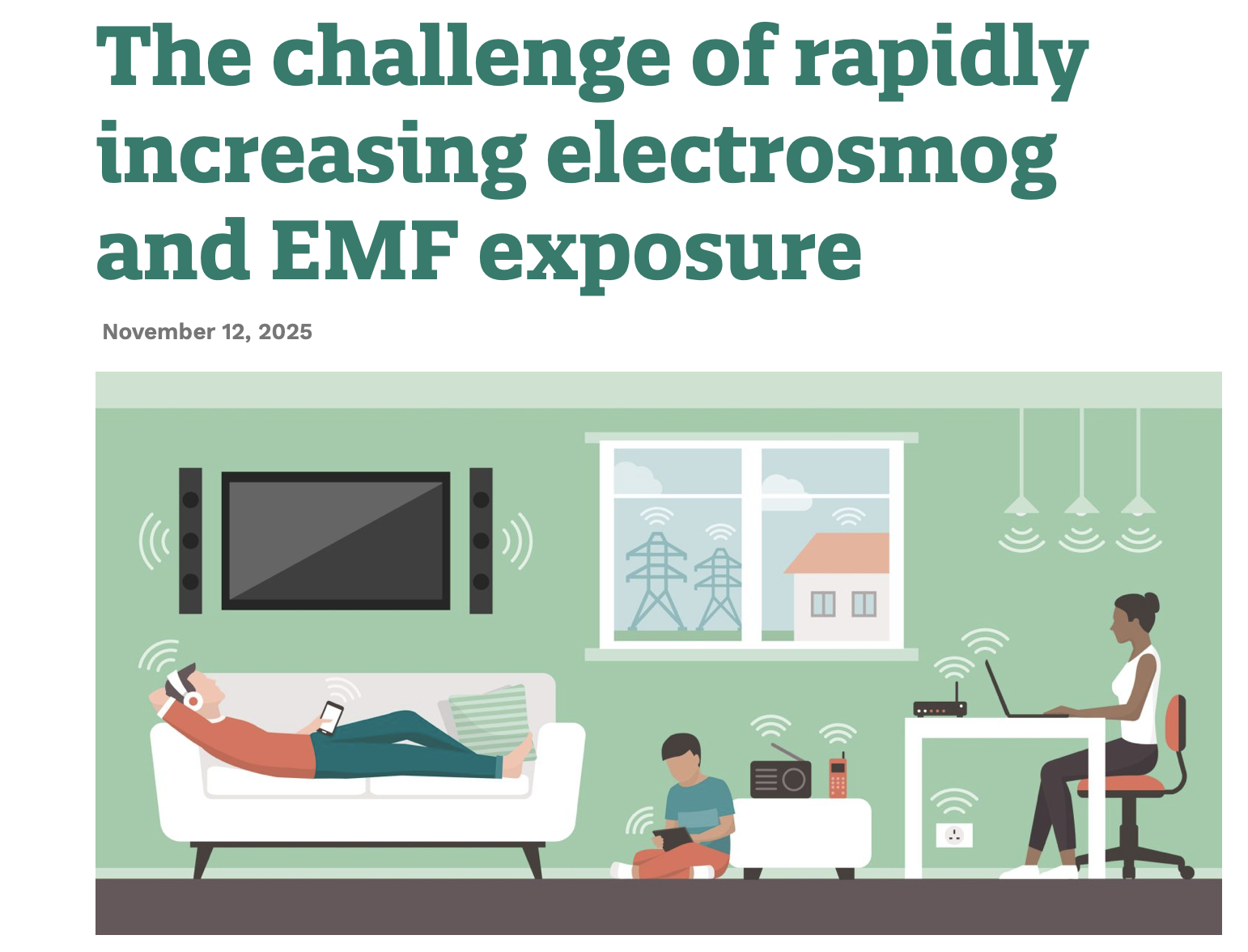
Are EMFs a health threat?
International regulatory bodies have consistently stated that low-intensity RF radiation – as used by wireless devices and networks – is not believed to be carcinogenic at levels not strong enough to heat body tissues (i.e. ‘non-thermal’ effects) within current safety guidelines. There is, however, a recognised weak association between exposure to the magnetic fields created by high-voltage electricity pylons (ELF) and an increased risk of developing childhood leukaemia.
Nevertheless, both RF and ELF radiation are currently listed by the World Health Organization’s IARC (International Agency for Research on Cancer) as Group 2B ‘possible’ carcinogens, based on a small number of studies showing cancer-causing effects in humans (ELF since 2002, RF since 2011).
Several international scientists are now calling for RF to be classified as a Group 2A (‘probable’) carcinogen, or even upgraded to Group 1 (‘carcinogenic’), (2) based on recent findings including a landmark 2018 $25million US Government-funded study, which found ‘clear evidence’ that RF radiation had caused cancer in rats (of a similar type to that previously detected in a limited number of human epidemiological studies).
Numerous other research studies published in peer-reviewed scientific journals over the years have found negative health effects from EMF exposure, in areas ranging from functional disorders – such as depression, memory impairment, and sleep disruption, (insomnia is now estimated to affect approximately a third of the UK population) – to permanent cognitive decline, such as increased dementia and Alzheimer’s risk.
Whilst frequent reference is made in mainstream media to exposure to the blue-spectrum light emitted by wireless devices’ screens prior to bedtime adversely affecting sleep – due to its known effect on melatonin levels – it is surprising that, simultaneously, there is little mention of any potential impact of the RF exposure from these devices on sleep, found by some studies to suppress melatonin too (a hormone which, moreover, plays a protective role in cancer prevention).
EMFs have also been linked to a greater incidence of autism symptoms by some research at a time when issues with poor concentration amongst the younger generation and ADHD diagnoses are at an all-time high.
In addition, a review conducted by Dr Henry Lai, emeritus professor in bioengineering at the University of Washington, which examined over 2500 studies into ELF and RF exposure, published between 1990 and 2025, has found that between 70-91% of the published research reported significant biological effects in areas including reproduction, neurology, genetic (DNA) damage, and oxidative (free radical) effects on cellular processes.
There have also been a number of purported effects of EMF exposure on nature and wildlife, including damage to the bark and leaves of trees in urban areas with high RF levels, an impact on the ability of birds and bees exposed to EMFs to navigate, and bee colony collapse.